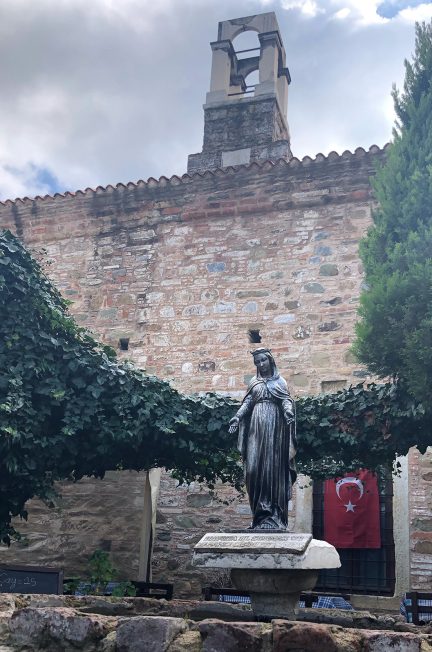
St. John Baptist Churche
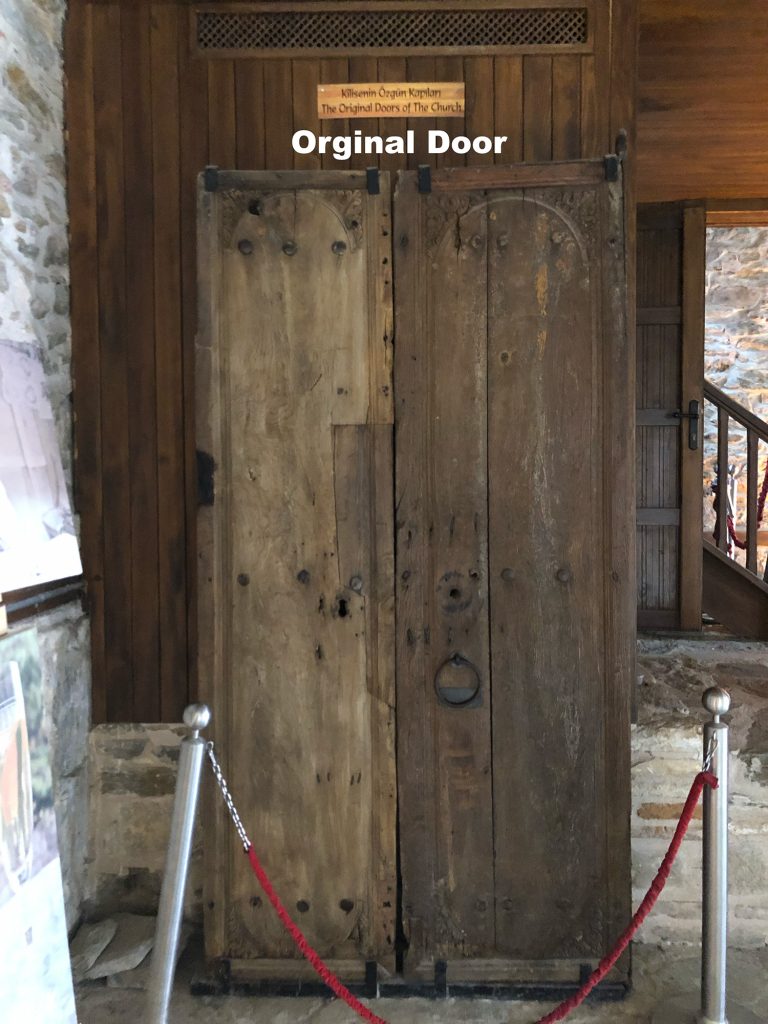
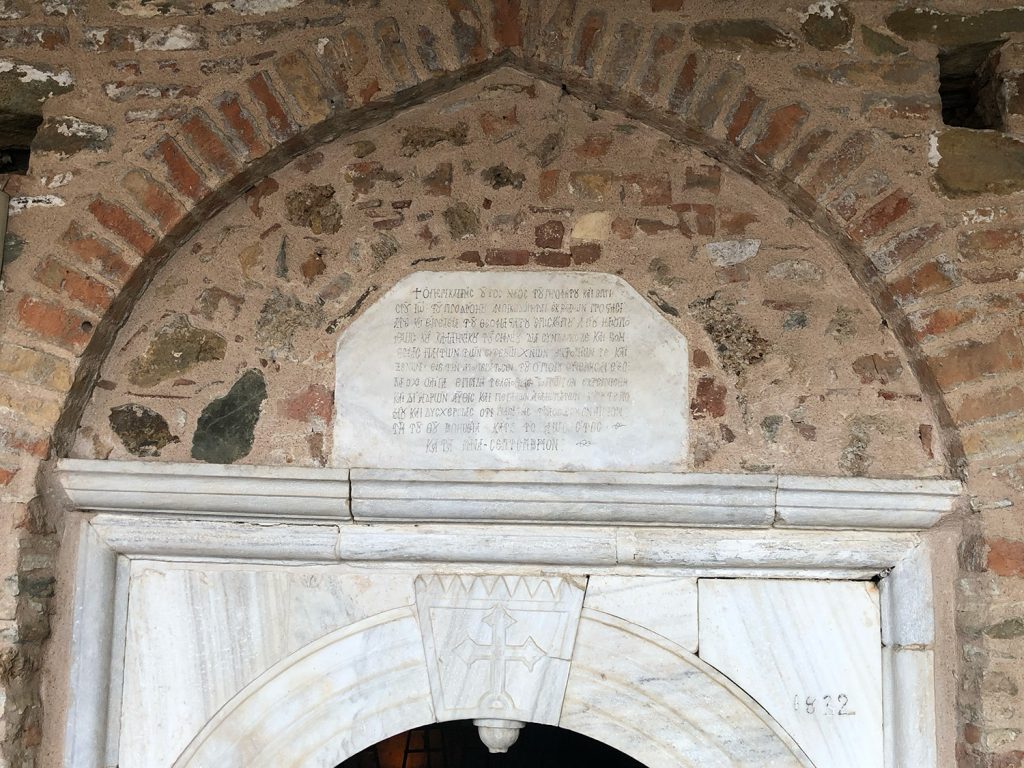
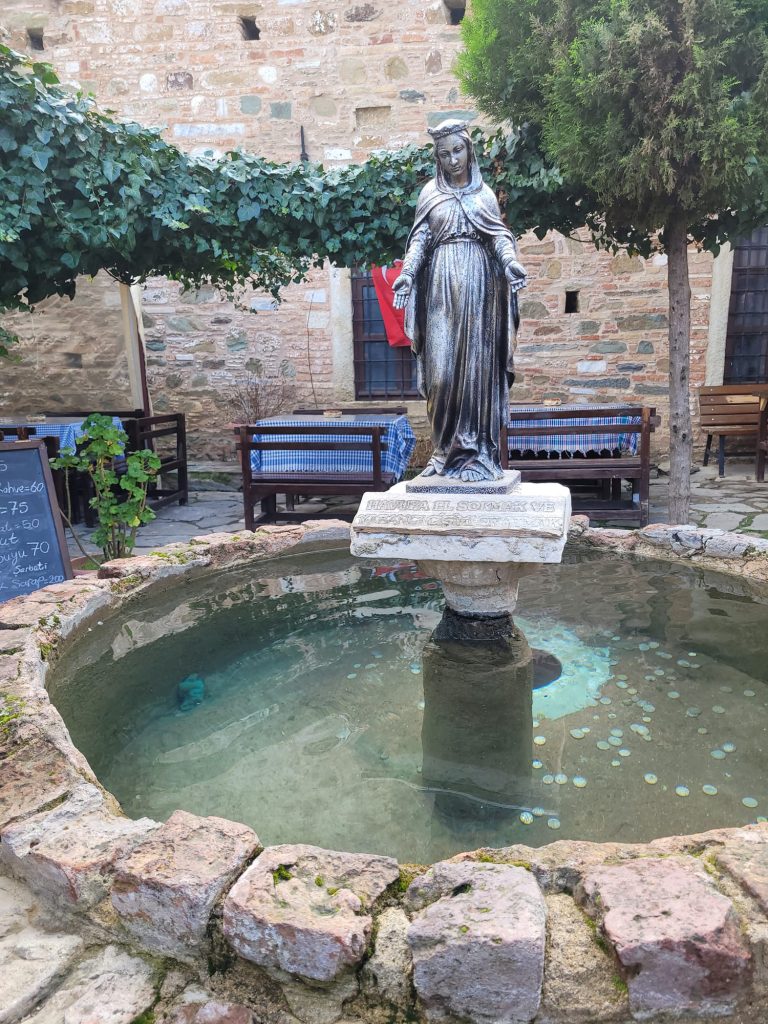
Situated on an elevated terrace in the western part of Şirince Village in the Selçuk district of İzmir, this structure, also known as the Domed Church, was erected in 1805 with the assistance of Kallinikos of Siphnos. The construction was dedicated to John the Baptist (Ayios Ioannes Prodomos) and the Holy Priest of Heliapolis (Aydın). It is believed that the church was likely built on the site of a previous one that was destroyed in the 1800 earthquake. An inscription dated 1832 on the door indicates that the church underwent its second round of repairs at that time.
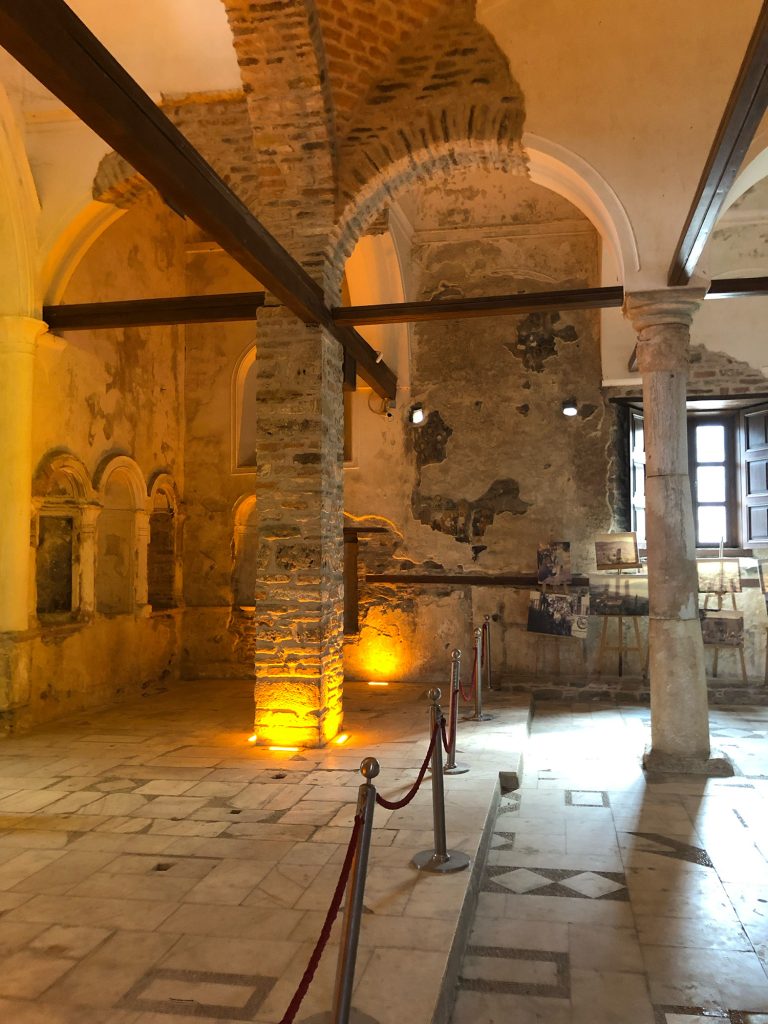
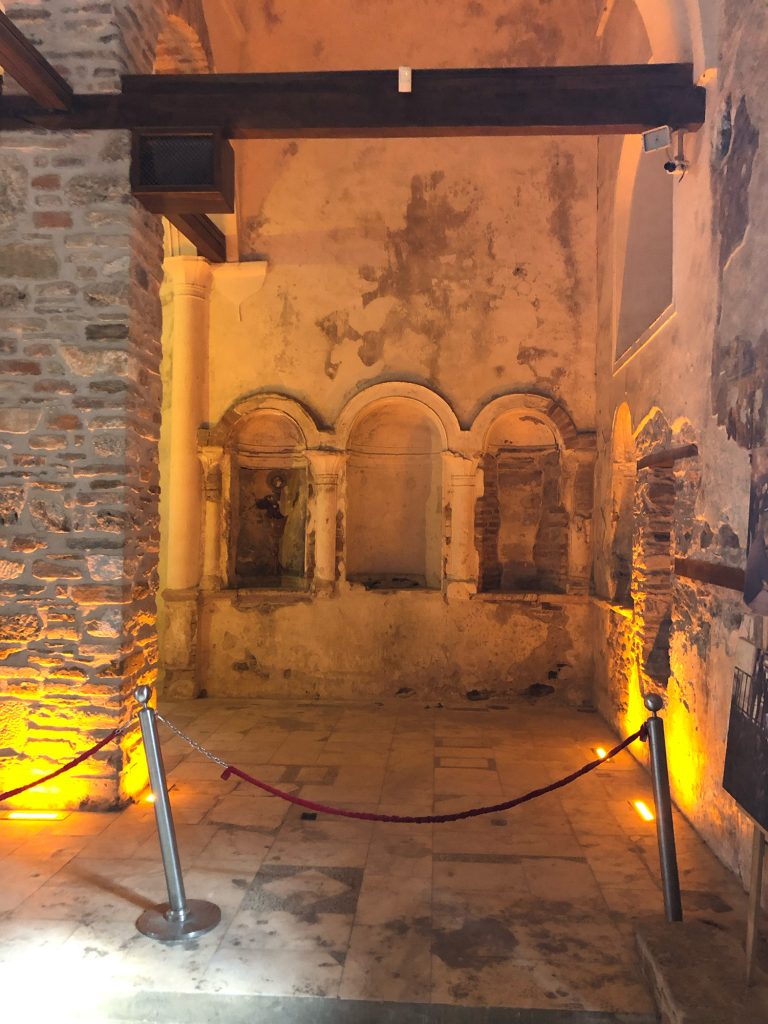
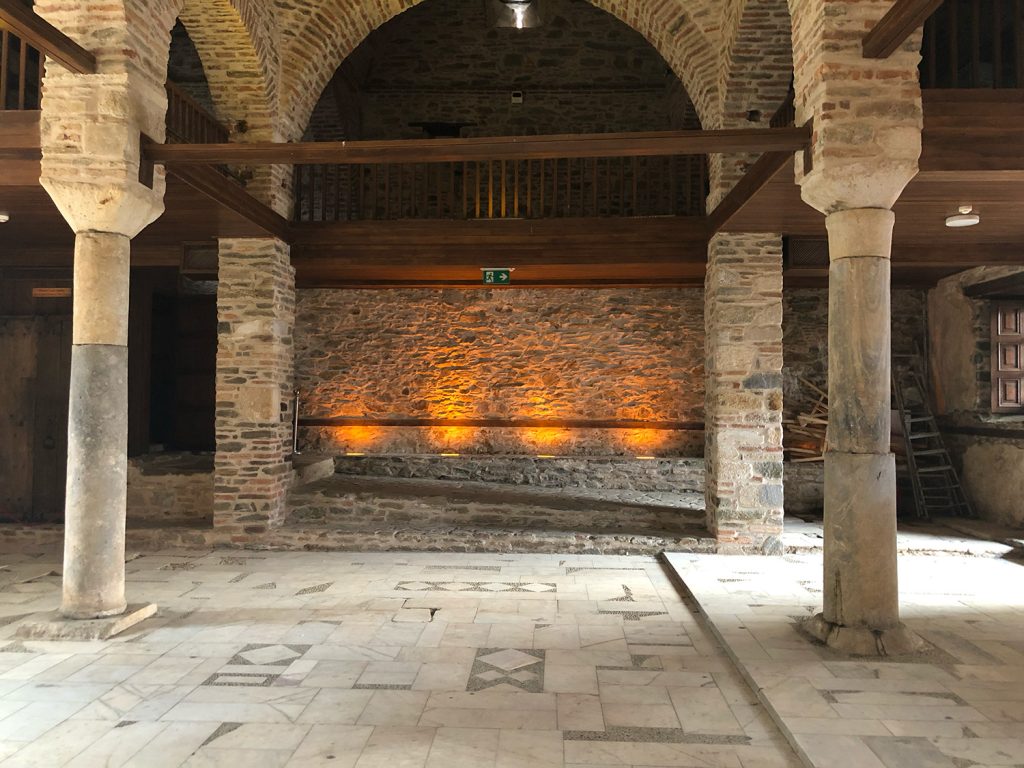
During the 1990s, the Ephesus Museum and the American Institute undertook the restoration of this historical church, which now resides within the grounds of private property. The church features a rectangular plan with three naves, constructed from cut stone and topped with a wooden roof. The narthex paved with stone leads to the naos, where ornaments adorn the mihrab niche and its surroundings.
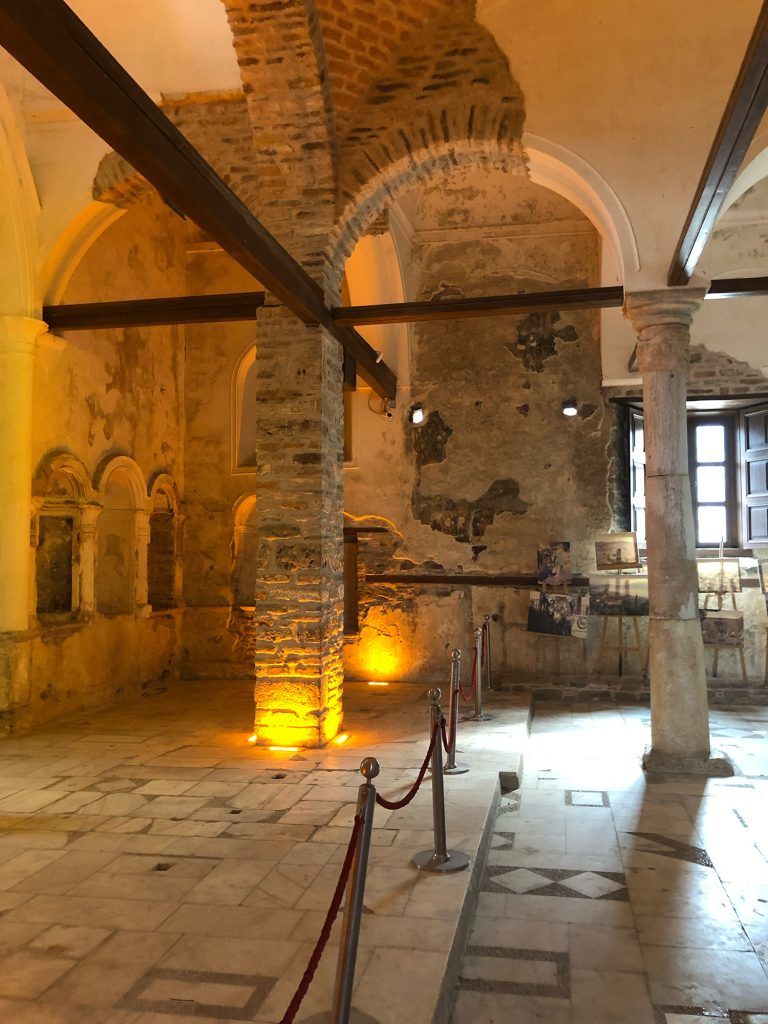
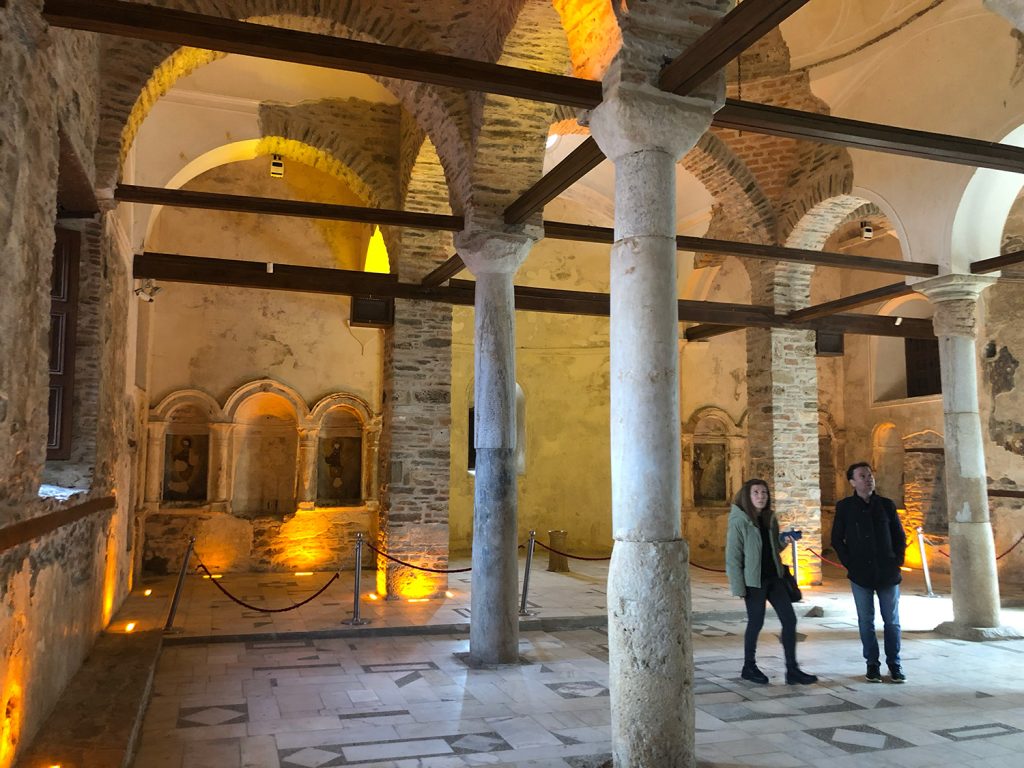
The central portion of the church is divided into three naves by columns and pillars, covered by two domes and vaults. A half dome is situated above the apse, with a vaulted passage connecting both domes. The side naves showcase cross vaults and three small oval domes.
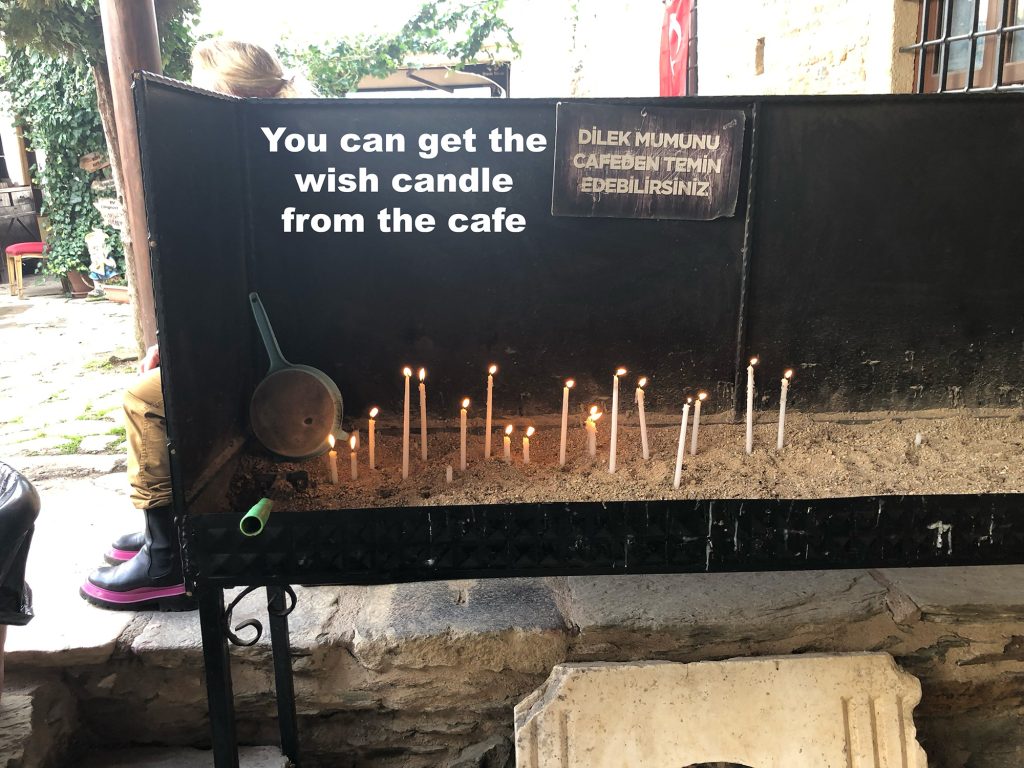
Known for its pool in the garden, the church is believed to grant wishes to those who can drop coins into a small recess at the bottom of the pool. However, this task is nearly impossible for those unaware of the method, as the small area is where water is supplied to the pool. The collapsed western dome of the twin-domed church has been restored through a meticulous renovation process. Frescoes adorn the niches in the half-domed apse section.
According to local beliefs, the basement of the church was traditionally used for the maturation of locally produced wines.
St. Demetrius Church
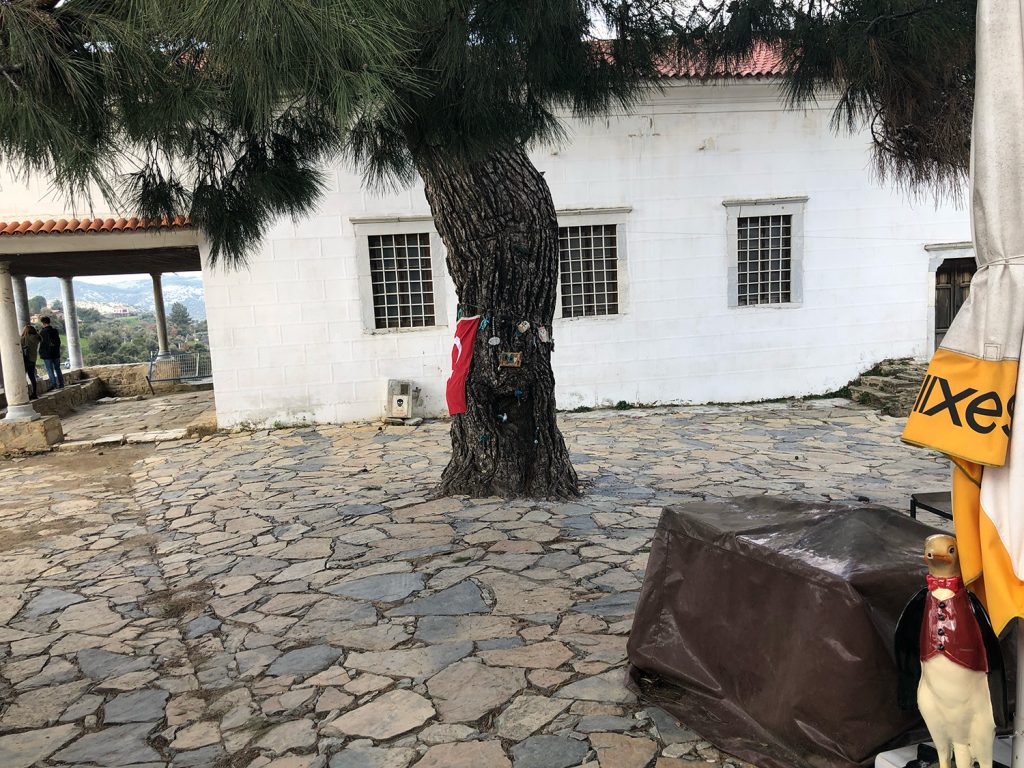
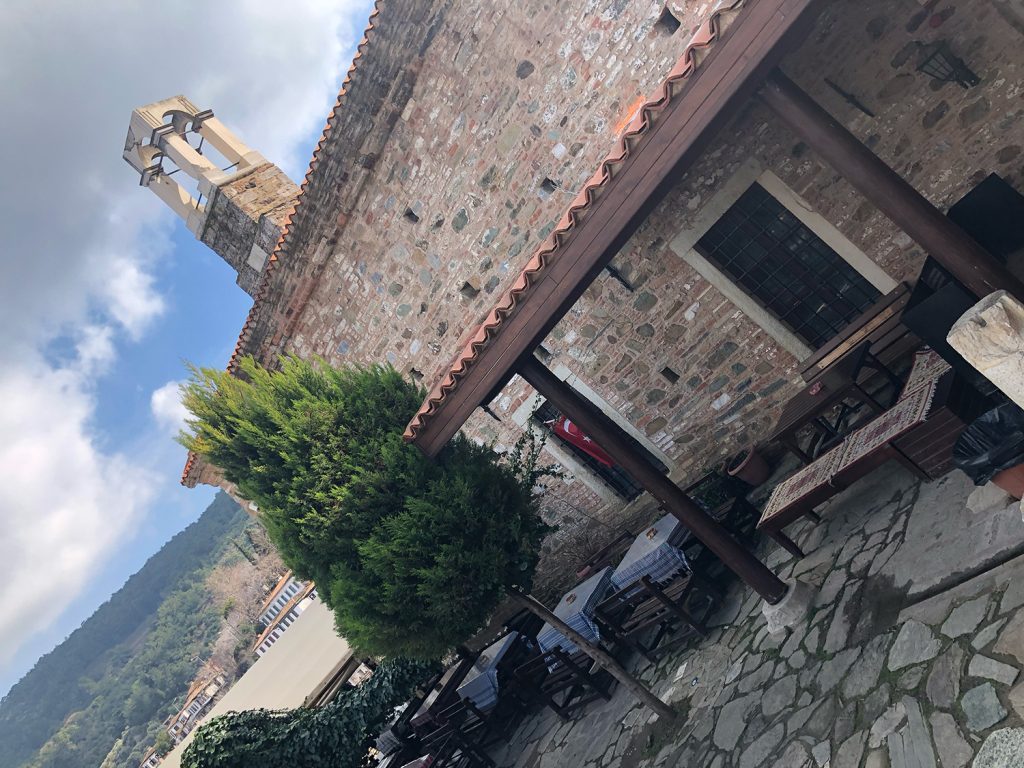
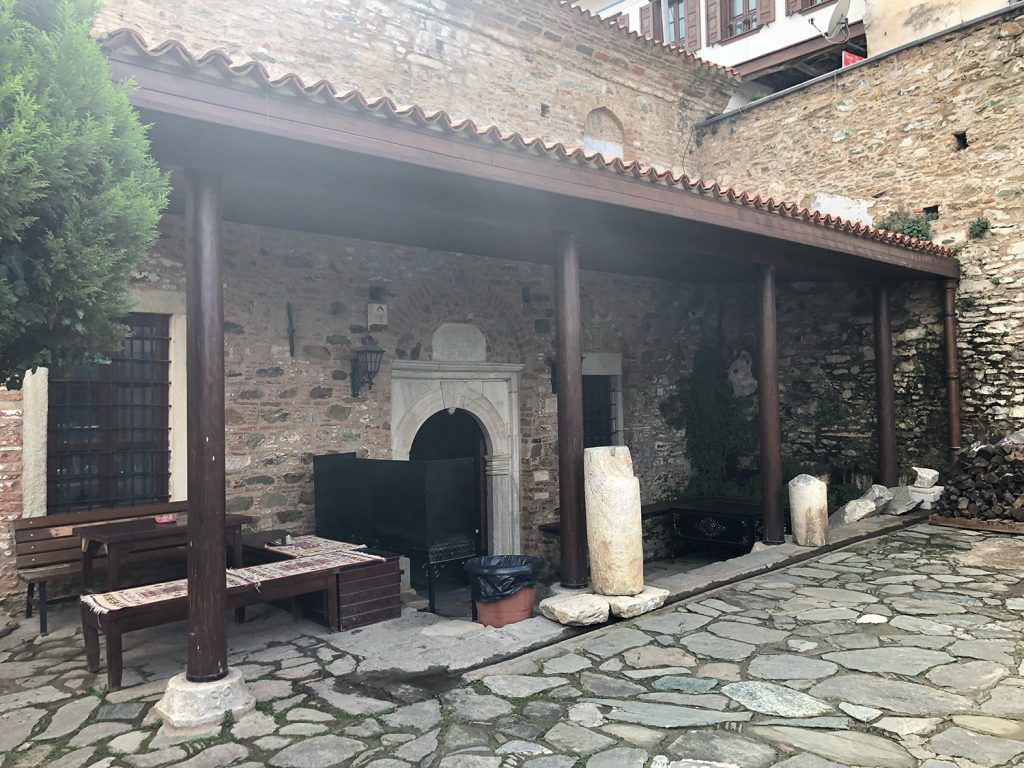
Located on the hilltop at the entrance of Şirince Village in the Selçuk district of İzmir province, this church was built in the 19th century by the Greeks who lived in Şirince at that time. Unfortunately, the church’s inscription hasn’t survived to the present day, making its actual name unknown. It is known that, after the War of Independence, this church was used as a mosque by immigrants from Greece following the population exchange, as evidenced by an irregular mihrab.
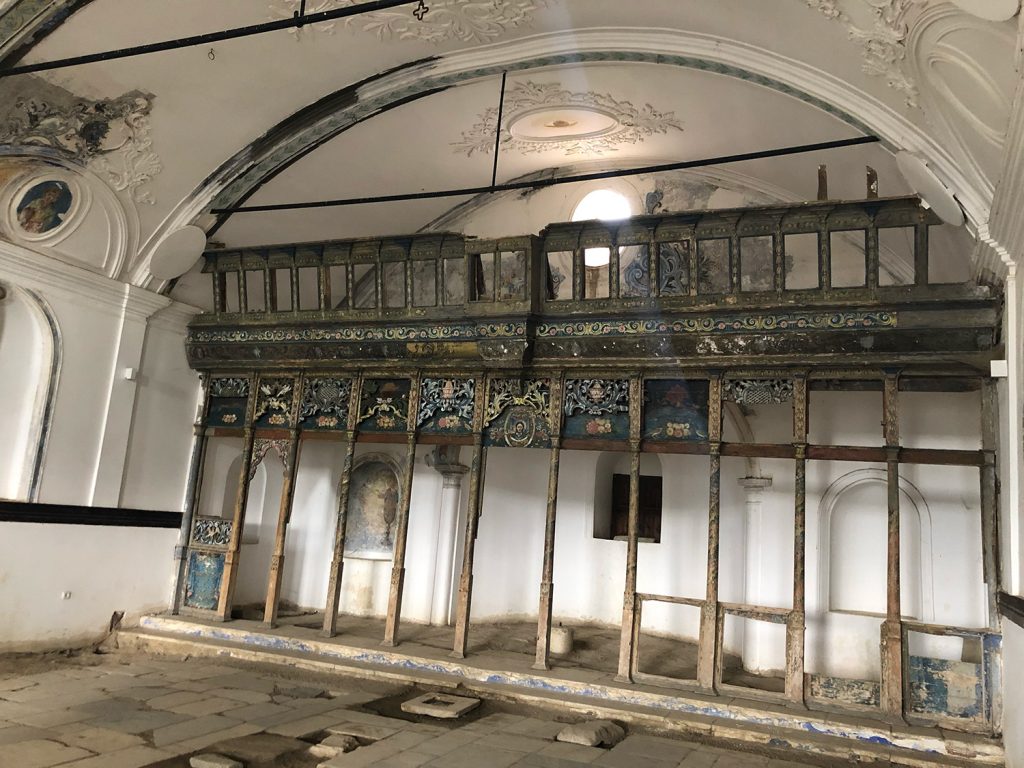
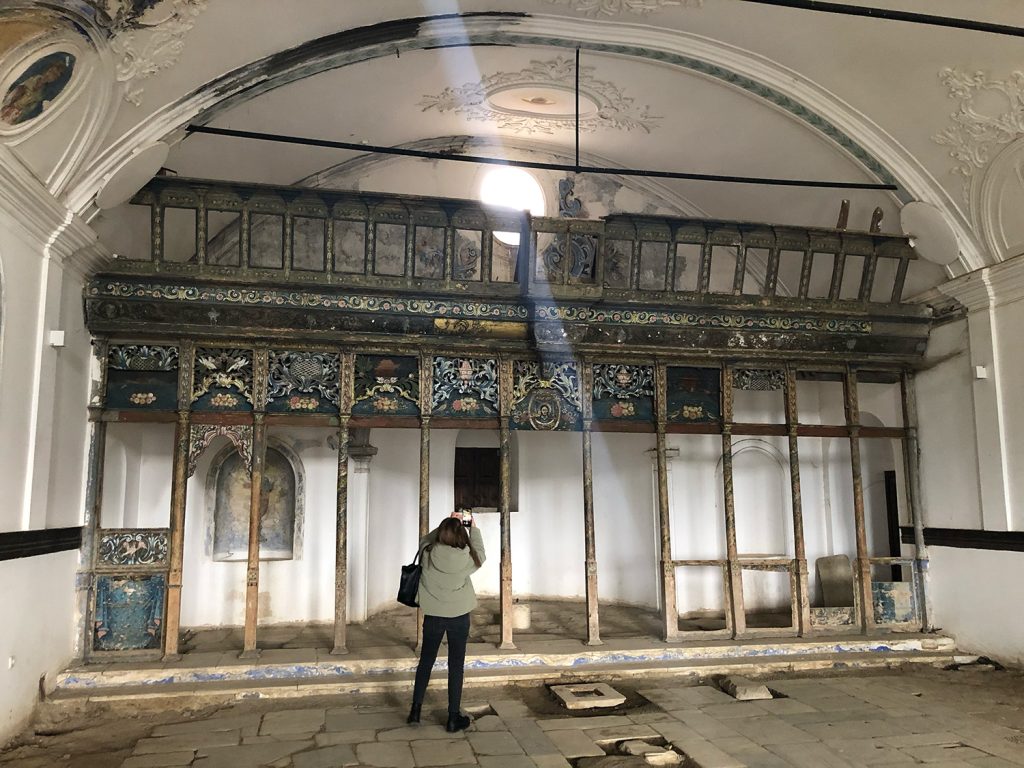
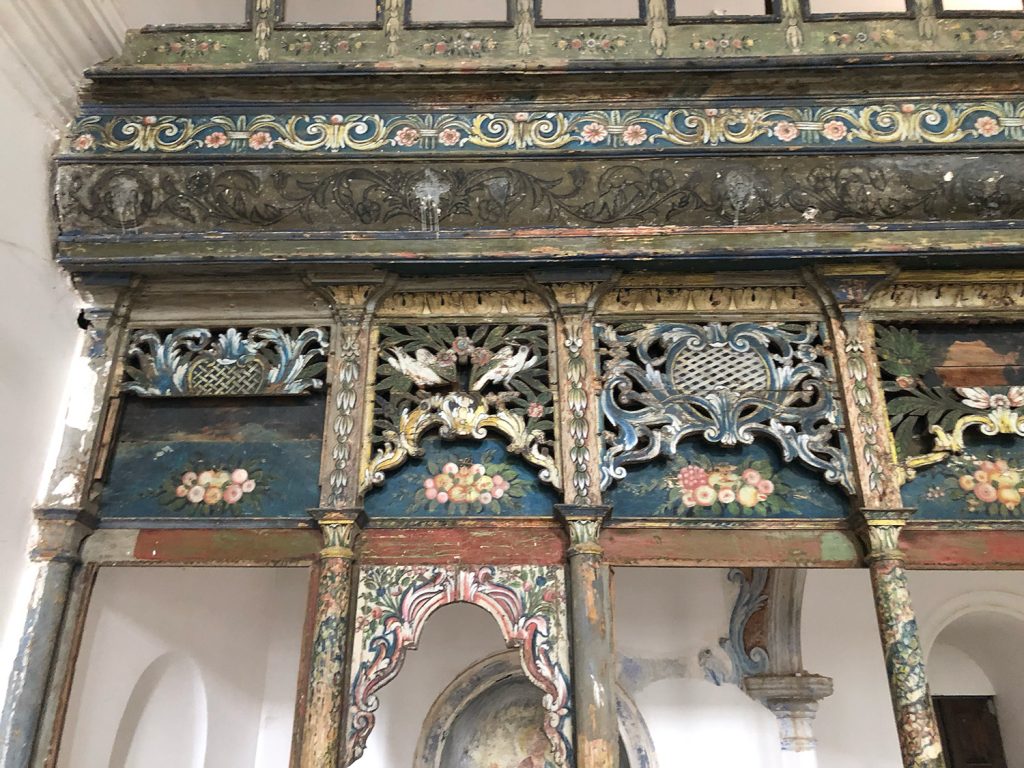
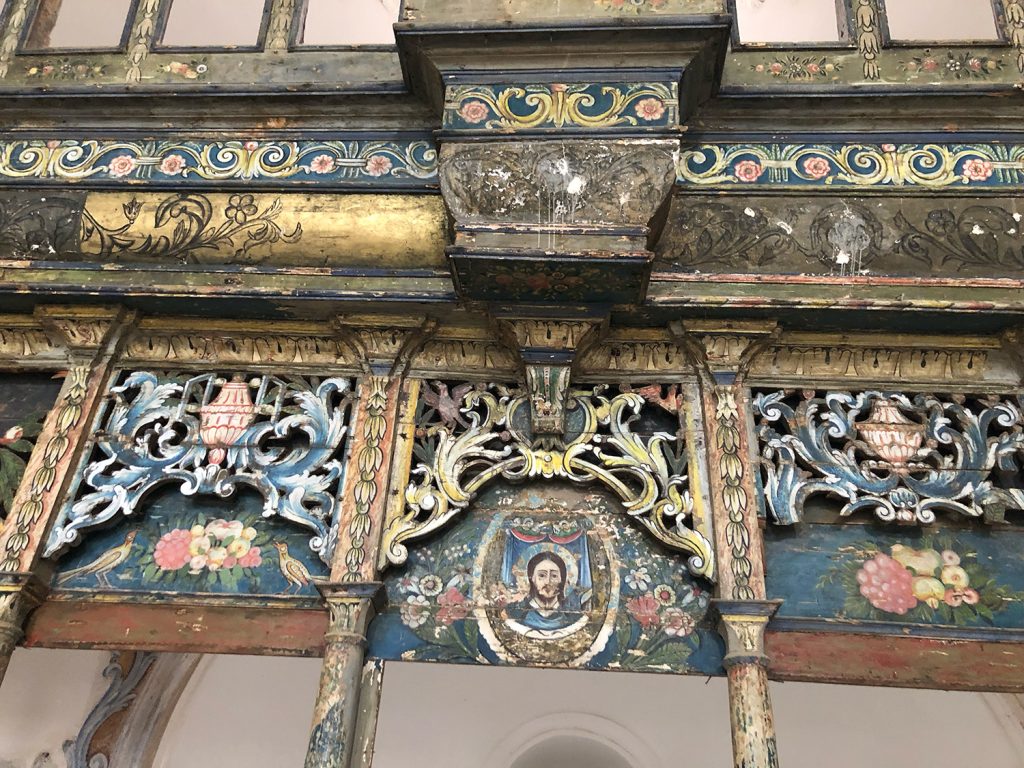
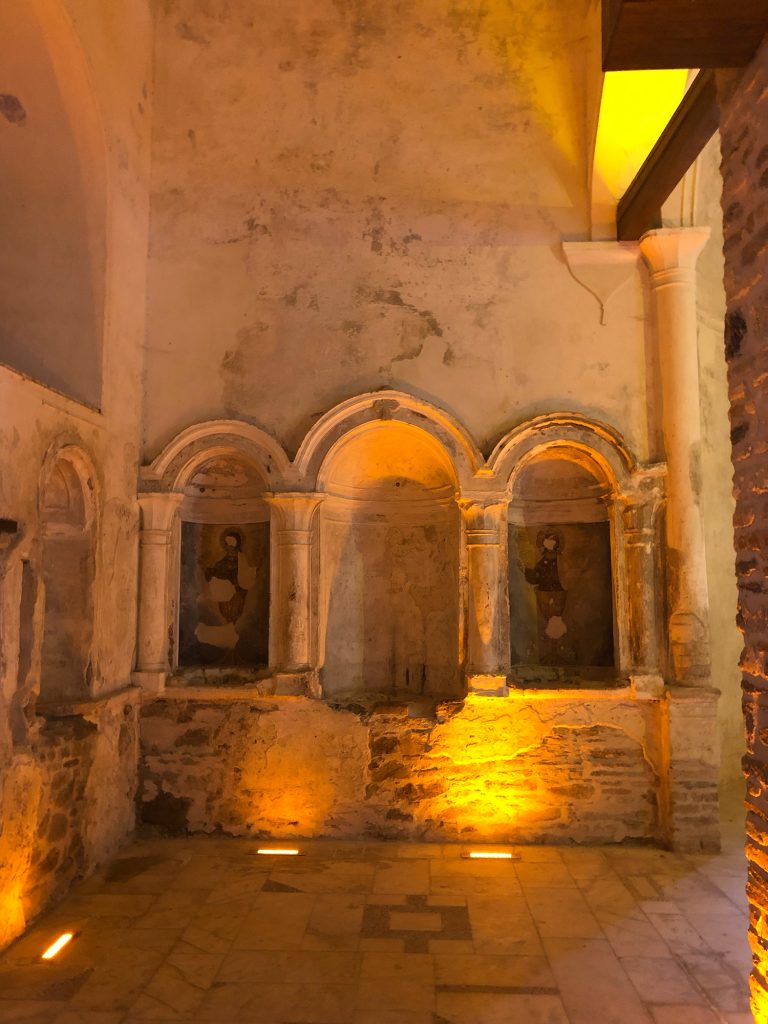
The church is rectangular in plan and follows the basilica style. The narthex part has collapsed and hasn’t survived to our time. Constructed with rubble stone and wood, the church is topped with a pitched roof. Some materials used in the marble floor and stone-paved spaces of the church are claimed to have been brought from İsa Bey Mosque and St. John’s Basilica in Selçuk. The worship space is illuminated by eight windows with thick sills. The naos part of the church contains a tripartite mihrab and its walls are adorned with frescoes. The surviving frescoes, created by local Greek artists in the late 19th century, are displayed in panels and depict the 12 apostles. Notably, the names and images of Andreas and Markos have remained in relatively good condition.
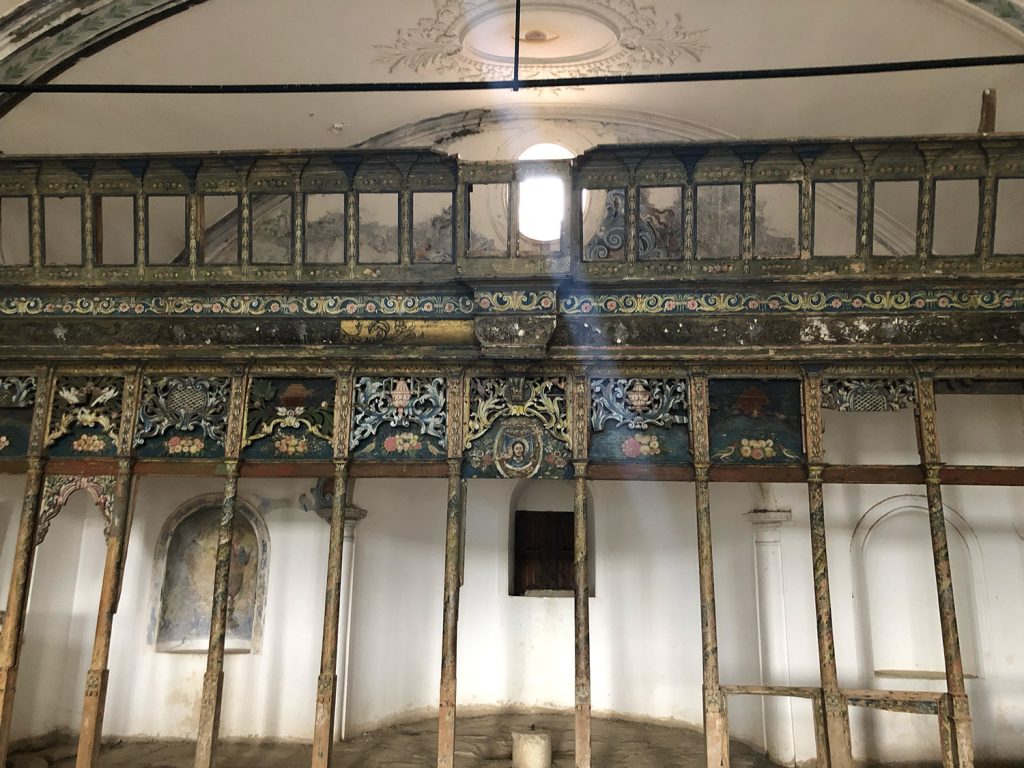
Until 2012, the church was in a dilapidated state, but it became functional again after undergoing restoration (2016).