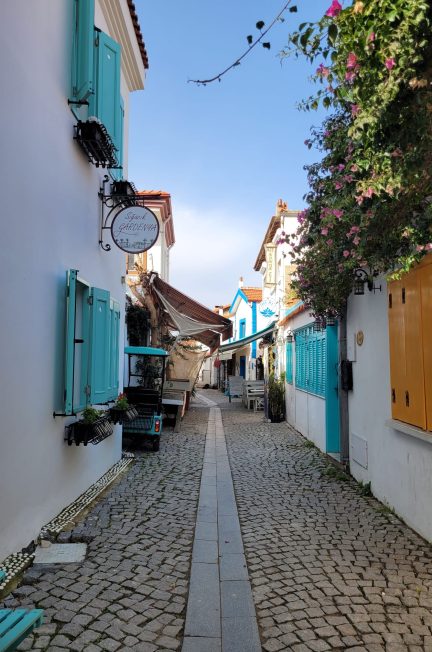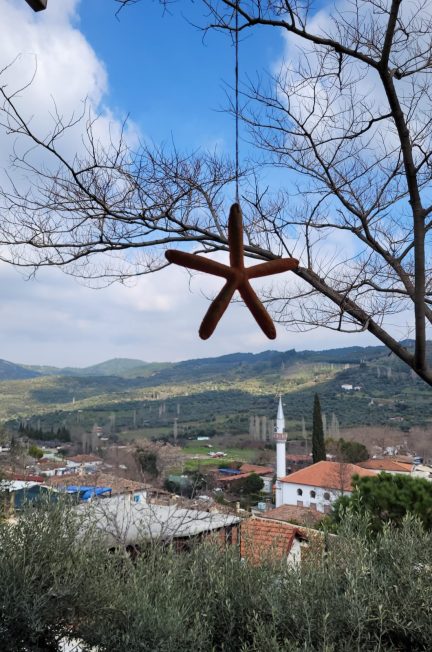
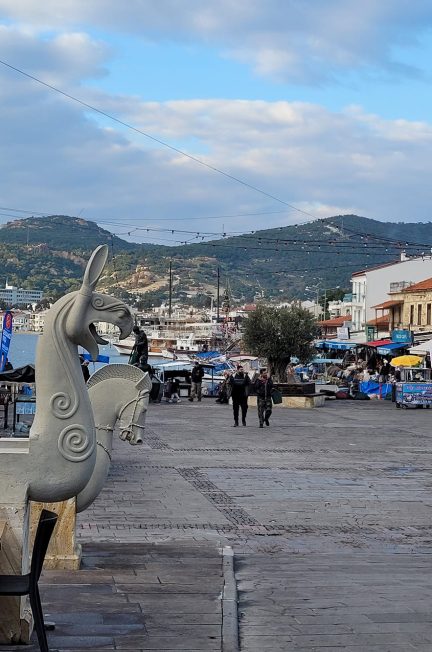
Foça is a charming district that bears the traces of many civilizations throughout history, nestled amidst the azure waters of the Aegean. Located approximately 55 km from Izmir, this land of beauty captivates not only with its historical castles and ancient structures but also with its natural wonders.
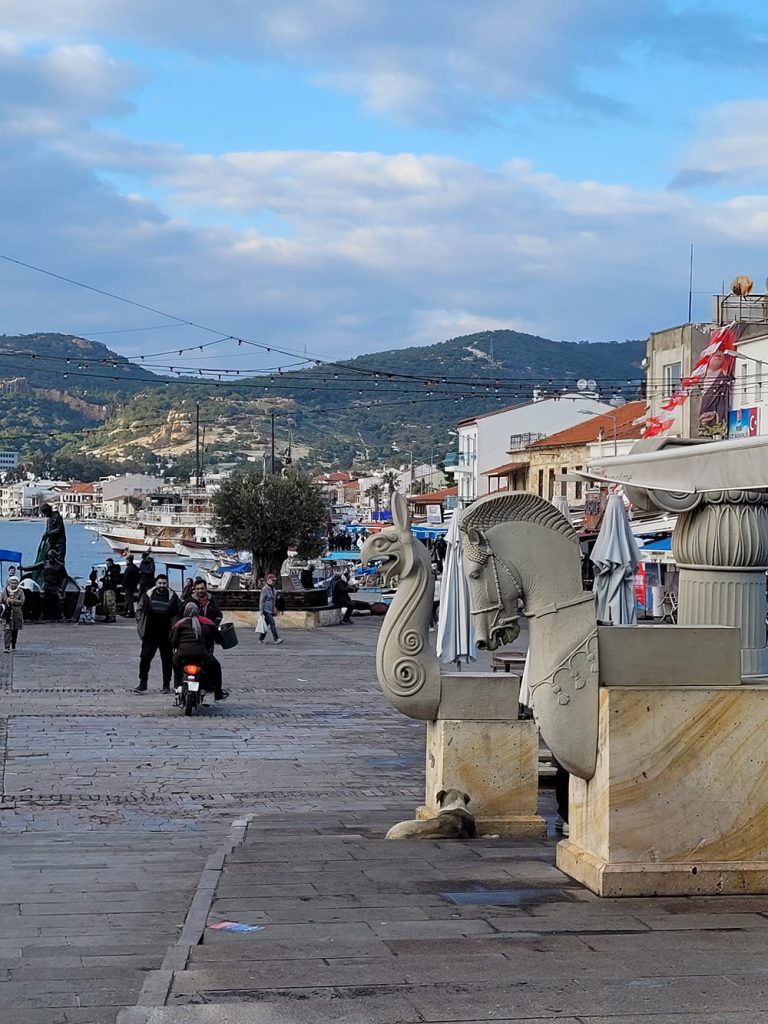
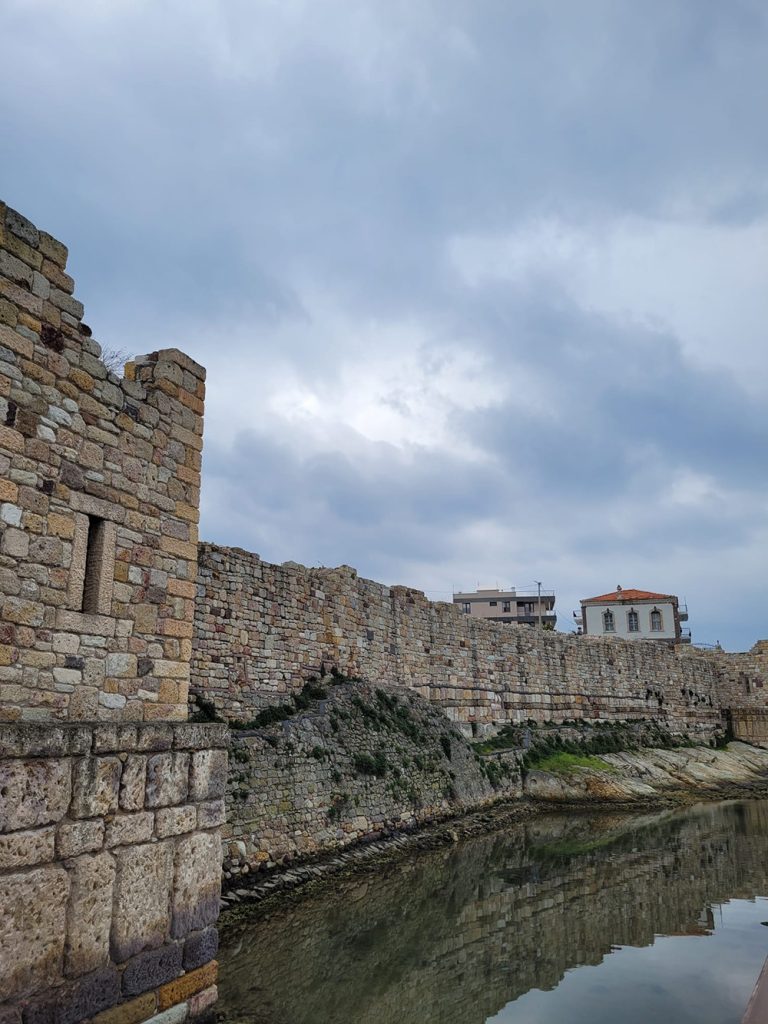
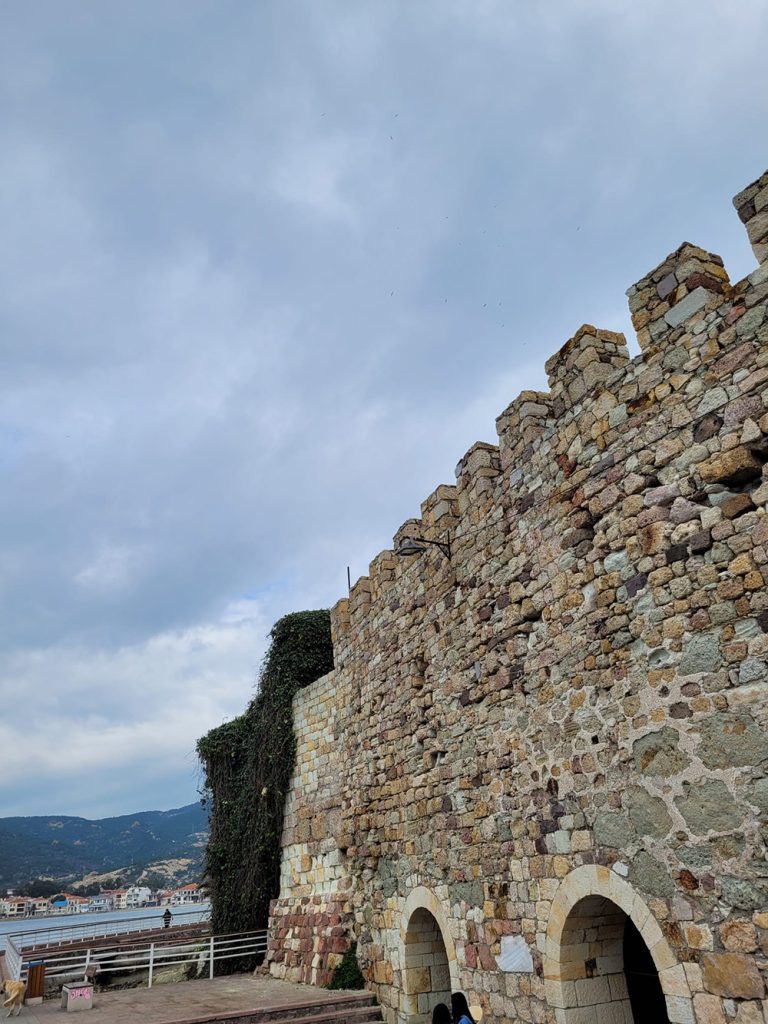
The history of Foça begins with the ancient walls surrounding the city of Phocaea. Built around 590-580 BC, these walls precede even the historical timeline of Foça Castle. The castle itself, erected in the 11th or 12th century, has undergone various modifications during the periods of Genoese and Ottoman rule. Renowned for the abduction of Prince Halil, this castle has served various purposes throughout its existence and stands tall until today.
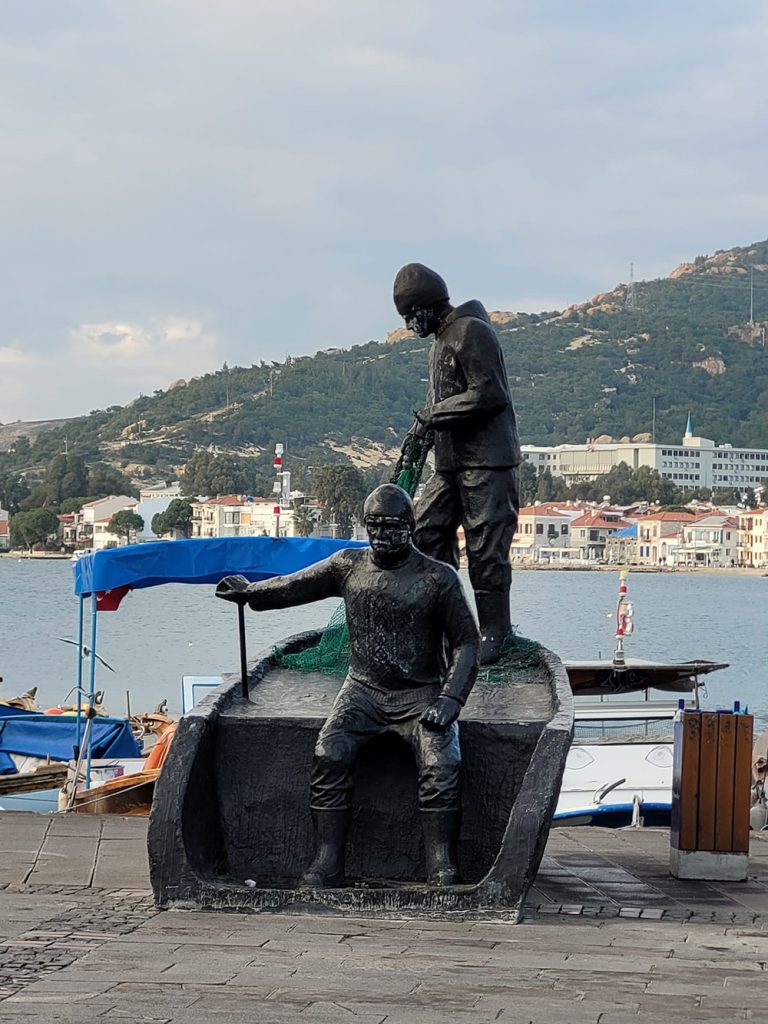
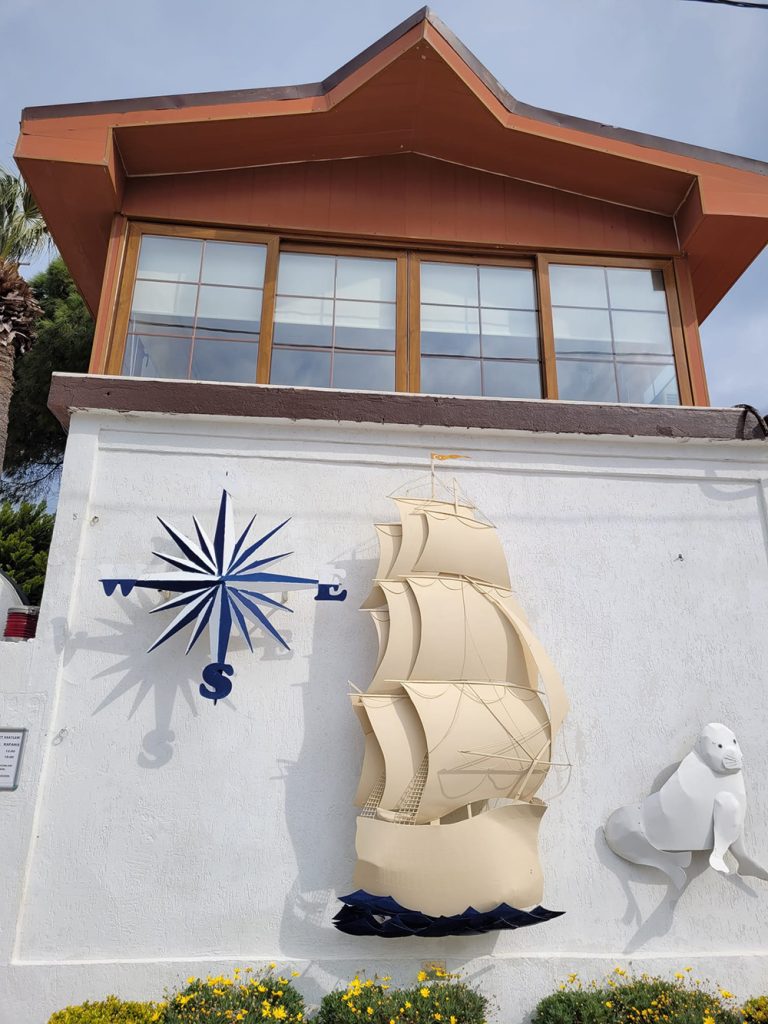
However, Foça is not only about its history but also about its natural beauty, with seals being among its most notable inhabitants. Bearing the name of seals since ancient times, Foça has been hosting these adorable creatures for centuries. Seals, especially those breeding around the Siren Rocks, have become one of the symbols of Foça. However, in the past, seals have also been endangered due to the indiscriminate hunting by humans and environmental factors. Fortunately, today seals are under protection, and the Siren Rocks, where they are born and raised, have been declared a protected area.
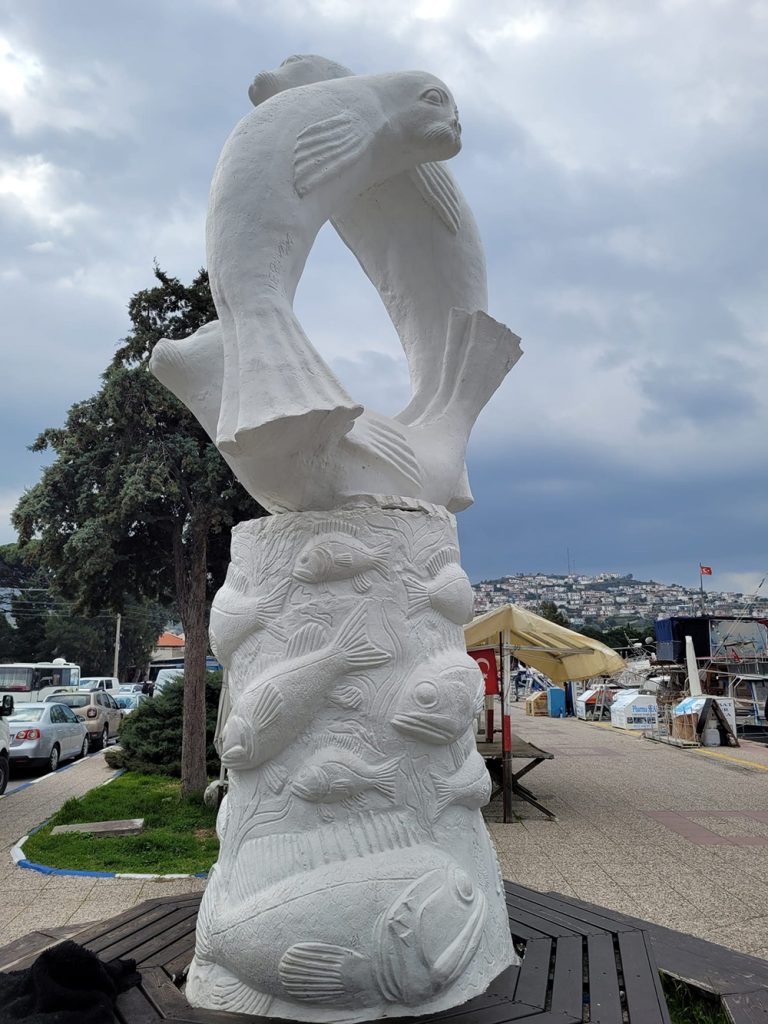
Protecting the seals in Foça is not limited to a single decision; it requires ongoing efforts. This effort involves raising public awareness, preserving natural habitats, and taking necessary measures for the seals’ proliferation. Only in this way can the natural and historical riches of Foça be passed on to future generations intact.
Foça is a paradise where history traces meet in nature’s embrace. I strongly recommend taking a day to explore this beautiful district, appealing to both history enthusiasts and nature lovers alike.
ANCIENT PERIOD
Foça (Phocaea) was one of the most important Ionian settlements. The foundations of today’s Western civilization were laid in Ionia in the 6th century BC. The Ionian period was a pioneering era in philosophy, architecture, and sculpture. Telephanes, the sculptor who adorned the Persian palaces with his works; the famous architect Theodoros (4th century BC); and Dionysos, the commander who led the “Battle of Lade” in 494 BC, were all Phocaeans.
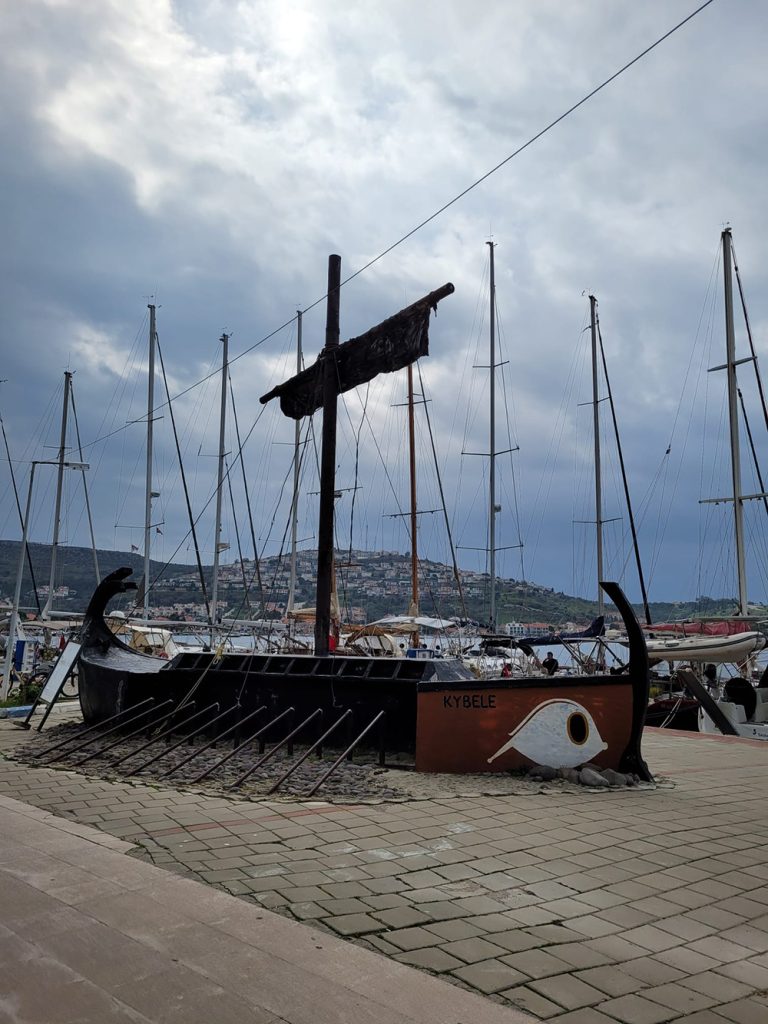
Phocaea was founded by the Aeolians in the 11th century BC, while Ionian settlement began in the 9th century BC. The Phocaeans were skilled sailors; they had ships capable of carrying 50 oars and 500 passengers. Their superior intelligence in engineering and their success in navigation allowed them to establish numerous colonies in the Aegean, Mediterranean, and Black Seas. The Phocaeans’ mastery of navigation also led to success in trade. Phocaea was one of the first cities in Ionia to mint electrum coins, a natural mixture of gold and silver.
With its achievements, Phocaea aroused the interest of many civilizations and became the first Ionian city destroyed by the Persians in 546 BC. The Persian invasion marked the end of the city’s glorious era, and the majority of the population abandoned it. Alexander the Great’s arrival in Anatolia in 334 BC, which ended Persian rule, marked the beginning of a new era. After Alexander’s death, Phocaea came under the rule of the Seleucids, the Kingdom of Pergamon, and then the Romans.
PHOCAEA: During the excavations led by Prof. Dr. Ekrem AKURGAL, it was concluded that the first inhabitants of the city were the Aeolians based on the gray-colored Aeolian pottery found. The city was founded by the Aeolians in the 11th century BC. During these excavations, “Geometric” ceramics were found, leading to the conclusion that Phocaea was an Ionian settlement from the end of the 9th century BC.
In recent years, ceramics dating back to 2000 BC have been found in excavations in Foça, pushing the founding of Phocaea back to the Bronze Age, and this settlement has continued to exist to this day.
After Smyrna was destroyed by the Lydian King Alyattes in the 600s BC, commercial dominance shifted to Phocaea, evidenced by the enrichment of Phocaean coins. Phocaea experienced its golden age in the first half of the 6th century BC. It was one of the first cities in Ionia to mint electrum coins. These coins reached as far as the Mediterranean and Egypt through maritime trade. The obverse sides of these coins featured Zeus, Hera, Heracles, and Hermes, while the reverse sides depicted griffins, seals, bulls, and ram heads. The golden age of Phocaea came to an end with the capture of Sardis by the Persians in 546 BC.
According to Herodotus, although the city was previously surrounded by walls, the Persian commander Harpagos captured these cities by piling up mounds of earth in front of the city walls. During the Hellenistic period, Alexander the Great put an end to Persian rule in Anatolia.
After Alexander’s death, the empire was divided among his generals, leading to the emergence of new states. Phocaea was ruled successively by the Seleucids, the Attalids, and the Kingdom of Pergamon; it fell into the hands of the Romans with the annexation of the Kingdom of Pergamon to the Roman Empire in 133 BC. With the help of the colony city of Massalia, Phocaea was saved from destruction, and its freedom was restored by Pompey.
In the 1300s, when Anatolia fell into the hands of the Turks, Foça, like other cities, gained importance because it was one of the port cities that facilitated the east-west connection of the Ottoman Empire in the 17th century.
FINDINGS
Archaeological excavations are divided into three periods. The first excavations were conducted by the French archaeologist Felix Sartiaux between 1913–14 and 1920. The second period of excavations, conducted by Prof. Dr. Ekrem AKURGAL, took place continuously between 1952 and 1955 and intermittently until 1974. The third period of excavations has been conducted since 1989 under the leadership of Prof. Dr. Ömer ÖZYİĞİT, a faculty member of the Archaeology Department at Ege University.
Foça has significant remains from the ancient period. Likewise, it is believed that much of the city’s present-day settlement is located beneath the current urban area.
The area known as the “Devil’s Bath” located southwest of Old Foça